A practical guide to checking accommodation, facilities, dining and event information without treating search wording as confirmation.

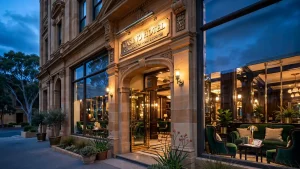
A casino hotel stay and a casino visit are separate parts of the budget. A room advertised in connection with a Western Australian casino should not be treated as confirmed on-site accommodation until the property name and address are clear. Search wording can combine “casino hotel” with “hotel near the casino”; those descriptions do not mean the same thing. The former suggests lodging at the venue, while the latter may refer to a separate property. Keeping that distinction clear prevents a location assumption from becoming part of the booking cost.
A hotel deal is useful only when its conditions can be compared with the standard room rate for the same dates and occupancy. The displayed price should identify the room category, the stay dates, the number of guests included and whether the amount covers the full stay or is quoted per night. It should also state what is included in the rate, such as breakfast or parking, rather than relying on a promotional label to imply extra value. Without those terms, “deal” describes presentation, not a measurable saving.
Choosing an online casino for Western Australia calls for checking the details that matter to you before signing up. This list gives a brief reference point on each operator using the available information.
SpinsUp
SpinsUp is listed with a Curacao Gaming Control Board licence, OGL/2023/174/0082, held by Dama N.V.
Thor Casino
Thor Casino is licensed in Curacao through Antillephone N.V. for Versus Odds B.V. Its minimum deposit is EUR 20.
Wild Tokyo
Wild Tokyo lists a A$10 minimum deposit. Its stated payout times are 30–60 minutes for crypto and 1–5 days for fiat.
Roby Casino
Roby Casino is listed with a Curacao eGaming licence held by Roby Games Ltd.
Neospin
Neospin is listed with a Curacao Gaming Control Board licence, OGL/2023/176/0095, held by Hollycorn N.V.
Uptown Pokies
Uptown Pokies has been operating since 2017 and lists a A$20 minimum deposit. It is licensed in Curacao.
Rollero Casino
Rollero Casino is listed with a Curacao Gaming Control Board licence, OGL/2023/176/0095, held by Hollycorn N.V.
7Bit Casino
7Bit Casino is licensed in Curacao and operated by Dama N.V.
Ricky Casino
Ricky Casino lists a A$20 minimum deposit, or A$30 to qualify for the bonus. Stated payout times are under an hour for crypto and 1–3 business days for PayID.
Kingmaker
Kingmaker lists a A$30 minimum deposit. Its stated payout times are about 90 minutes for crypto and 1–5 days for fiat.
The final amount matters more than the headline rate. Before comparing offers, establish whether taxes, service charges, resort or facility fees, and any other compulsory costs are included. Check whether payment is due at booking or later, whether a deposit is required, and what happens if the reservation is changed or cancelled. A low displayed price can become a different proposition once mandatory charges and cancellation conditions are added. If those terms are not visible before booking, the rate cannot be assessed on equal footing with a fully itemised alternative.
Room descriptions also need practical detail. A category name alone does not establish bed configuration, view, accessible features, smoking policy or included amenities. The description should make clear which features apply to the selected room, rather than to the hotel generally. Photos can help identify layout and condition, but they do not replace written terms: an image may show a room type that is not the one selected at checkout. Where the room allocation is subject to availability, that qualification affects what is actually being purchased.
For a casino hotel in Western Australia, the property identity should be confirmed directly in the booking details, not inferred from a nearby landmark or a casino-related phrase in an advertisement. The reservation should show the operator or property, its location, the selected room and the dates. This is especially important when comparing results that mix hotels described as part of a casino with independent accommodation nearby. A map pin or a broad location label does not establish that the hotel is within the casino complex.
A fair comparison keeps the same dates, guest count, room type and cancellation terms across each offer. It then compares the total payable amount and the inclusions that would otherwise need to be purchased separately. Flexible cancellation has value only if the conditions and deadline are explicit; a non-refundable rate is not equivalent to a flexible one simply because its initial price is lower. Likewise, an advertised package should list each included component and any restrictions on its use. If an inclusion is subject to availability, that limitation belongs in the calculation.
Hotel pricing and venue operating information should be checked as separate items. A room reservation does not, by itself, confirm that casino facilities will be open at a particular time or that a particular service is available during the stay. Those details should not be inferred from the booking label. The useful decision is narrower: whether the room, dates, total charge and booking conditions fit the intended stay.
A dependable hotel offer leaves little to interpret. It identifies what is reserved, what is payable, what is included and what conditions apply if plans change. Until those details are visible, a claimed casino hotel deal is not yet a comparable price.
A reference to poker at a Western Australian casino does not, by itself, establish that the venue has a dedicated poker room or runs tournaments. Those are separate claims, and each needs current confirmation from the venue before it can support a visit plan. A poker room may mean a permanent, staffed area for live poker; a tournament is a scheduled competition with its own entry conditions. Neither should be inferred from general casino facilities.
The word “rooms” also needs context. In a hotel listing it refers to guest accommodation; in a poker listing it may describe a playing area. These are not interchangeable services. A hotel room booking does not confirm access to live poker, and a general reference to casino rooms does not identify a poker facility. The distinction is mundane, but it prevents an accommodation result from being mistaken for a gaming arrangement.
A useful venue description would identify whether live poker is currently offered, where it takes place within the property, and whether play is available as cash games, tournaments, or both. It should also state when the room operates, how access works, and whether registration or membership is required. Without those particulars, “poker room” is only a label, not a usable plan.
Details can change. A room may have limited operating periods, or live play may be suspended while other parts of a venue remain open. A general statement that a casino is open therefore does not confirm that its poker area is operating. Separate status for the room is the relevant detail.
A tournament listing should provide its date, registration arrangements, entry conditions, format, and the terms governing prizes. The schedule should make clear whether the event is confirmed rather than proposed, and whether changes or cancellation are possible. If these details are absent, the event should not be treated as a booked opportunity.
The distinction between a recurring tournament and a one-off event matters as well. A past schedule does not establish a current programme, and an old result page is not evidence that the same event is running now. A current listing needs to be tied to a specific date or clearly maintained schedule, with the venue identified as the organiser or host.
For a player comparing events, the financial terms are more useful than promotional language. Entry cost, rebuy or add-on conditions where applicable, prize distribution, and any eligibility restrictions determine what participation involves. If those terms are not published, the total commitment cannot be assessed in advance. A headline prize alone says little about the cost or conditions attached to entry.
A sports bar is another distinct facility. A result mentioning poker and a sports bar does not demonstrate that both are available at the same venue, or that either is open at the same time. Bar service, live sport, and poker have separate operating details; one should not be used as evidence for another.
Likewise, “open today” or “open now” is a time-sensitive status, not confirmation of a poker game or tournament. General venue hours may differ from the hours of a particular activity. Before making a trip specifically for poker, the relevant confirmation is the current status of live play or the named event—not simply that the wider property is operating.
A practical record should therefore separate four points: whether live poker is offered, whether a particular tournament is scheduled, what its participation terms are, and whether the activity is operating at the intended time. If any point remains unclear, the plan remains unconfirmed. That is a more accurate assessment than treating a broad casino listing as proof of a poker programme.
Parking and bingo are venue questions; online casino access is a legal and technical question. They may appear beside one another in searches for a casino in Western Australia, but they require different checks and should not be treated as parts of one package.
For parking, the useful details are practical: whether visitor parking is available, where entry is located, any access conditions, and whether valet parking is actually offered. A search result using “valet” is not confirmation that a service operates. The same applies to a parking facility described as belonging to a casino: its location, operating arrangements and access rules need to match the particular venue and visit. Without those details, a parking claim cannot support a reliable plan.
Bingo also needs a venue-specific confirmation. The word may refer to a scheduled on-site activity, a separate club or hall, or an online game. Those are not interchangeable. A casino-related bingo listing should identify the place and activity clearly; otherwise, it does not establish that bingo is available at the casino itself. This is separate from poker rooms or tournaments, which involve different facilities and events.
The word “online” changes the question materially. Under the Interactive Gambling Act, an operator based in Australia cannot provide online casino games to people in Australia. That restriction covers casino-style games rather than being a question of whether a particular venue also has physical premises. An Australian casino’s physical operation does not make online casino play available lawfully through an Australian-run service.
Offshore platforms sit in a different position: Australian players are not, in itself, committing an offence by using one, but those platforms are not regulated under Australian law. That distinction matters for accountability. A foreign platform is not made a locally regulated service simply because it accepts Australian visitors or displays games in an Australian-facing lobby.
Access can also differ from what an advertisement or game catalogue suggests. Online casinos can use a player’s IP address to estimate their geographic location and restrict access by region. When a game is blocked for Australian IP addresses, it may not appear in the lobby at all. A catalogue viewed from elsewhere therefore does not establish that the same game will be available from Western Australia.
A search for an online casino in Western Australia should not be read as evidence of a lawful local online casino service. It may return offshore offers, general information or pages that do not reflect what is accessible from an Australian connection. The legal status of the operator and the technical availability of a game are separate checks; neither turns an offshore service into one regulated under Australian law.
Legal Restriction
Under the Interactive Gambling Act, operators based in Australia cannot provide online casino games to people within Australia.
For a physical visit, parking and bingo require confirmation tied to the specific venue and date. For online play, the governing issue is the Australian prohibition on operators providing real-money casino games to people in the country, alongside the limited protections attached to offshore platforms. Combining those questions under a single idea of “casino services” obscures the difference that determines what can actually be used.
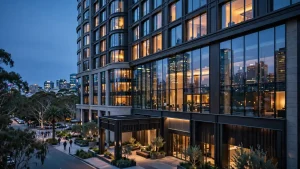
A stay near a casino is not necessarily a room inside the casino property. Accommodation listings may refer to independent hotels, serviced apartments or other nearby properties, each with its own booking terms. The distinction affects the total cost and the practical route to the venue, so a shared location phrase is not enough to establish that a room is on-site or affiliated.
Before comparing options, identify the property’s exact address and check the route to the casino entrance, not just the distance shown on a listing. A short distance on a map can involve an indirect walking route, limited pedestrian access or a need for transport. If the visit depends on arriving or leaving at a particular time, confirm the route and available transport for that period rather than assuming they will suit the itinerary.
The room rate is only one part of the accommodation cost. The final amount can depend on the dates, room type, taxes, payment conditions and any charges disclosed during booking. Compare the amount payable at checkout, not a headline rate detached from its conditions. Check whether the displayed price covers the full stay and whether any costs are payable separately at the property.
Cancellation and payment terms also change the value of an apparent deal. A lower rate may come with stricter cancellation conditions or an advance payment requirement; a more flexible booking may cost more. The useful comparison is between the final price and the cost of the conditions attached to it. Read the rules applying to the selected room and dates, since general promotional wording may not describe the exact booking.
A casino accommodation promotion should be assessed in the same way. Confirm which property provides the room, what dates and room types qualify, what is included, and whether the advertised saving applies at checkout. A promotion mentioning casino access or a nearby venue does not, by itself, establish that the accommodation is operated by the casino or that entry, transport or other services are included.
Reviews and listing descriptions can help identify practical issues, but they do not replace confirmation of the booking details. Check the property’s own information for its address, check-in arrangements, accessibility details and policies relevant to the stay. If any term is unclear, obtain clarification before paying; after booking, retain the confirmation showing the selected dates, room and total charge.
Accommodation Distinction
A stay near a casino is not necessarily a room inside the casino property and may involve different booking terms and transport routes.
Keep nearby accommodation separate from rooms offered as part of a casino hotel. The names may appear together in travel results, but the operator, facilities, cancellation rules and route can differ. A sound comparison therefore has three parts: the property and its location, the full amount payable, and the terms that apply if plans change. Until those are clear, “near the casino” describes a search area, not a complete offer.
A contact number is useful only when it reaches the relevant department. For a visit, that may mean general enquiries, the bar, accessibility support or event ticketing. A listing that gives only a central switchboard may not resolve questions about a particular service. Before relying on a number, confirm that it belongs to the venue and that the stated department handles the enquiry. An old directory entry is not evidence that the line is active.
The same distinction applies to an address and map. A map pin can point to a broad entertainment precinct rather than the casino entrance, while a venue map may show internal locations but not approach roads or vehicle access. These are different jobs. For a planned arrival, the useful map identifies the relevant entrance and separates pedestrian routes from vehicle access. Parking details should be checked as a separate practical matter rather than inferred from a map marker.
A reference to a casino bar does not establish that a bar is operating, where it is located or what it serves. Those details need a current venue listing or direct confirmation. If a bar is part of a wider complex, the name of the complex alone may not identify the operator or the applicable service information. A dependable listing should make clear which venue the details apply to and whether the information is current.
Baccarat and craps are also specific gaming enquiries, not evidence of what is available at a particular Western Australian casino. A game name in a directory, review or general description does not confirm that a table is operating or accessible during a planned visit. Availability can depend on the venue’s current offering; it should be confirmed directly rather than assumed from the casino label.
An event announcement needs more than a performer’s name. It should identify the venue space, date, ticket arrangements and any entry conditions that affect the visit. Those details can change, so an old event page or an undated listing is a weak basis for making plans. A concert held elsewhere in the surrounding precinct should not be mistaken for an event inside the casino.
For a practical check, compare the event information with the venue’s own current notices and confirm any detail that affects arrival or entry. If the event has a separate organiser, its contact details may differ from the casino’s general contact channel. The distinction matters when tickets, access arrangements or cancellations are involved.
A useful contact page ties each channel to a purpose: general enquiries, event questions, bar details and directions should not be bundled into one vague label. It should also identify the venue clearly, so a phone number or map link cannot be confused with a nearby business. Until those particulars are confirmed, claims about a particular bar, concert, contact number, baccarat or craps table remain unsubstantiated. The practical standard is modest: a named destination, a current way to reach the responsible party and details that match the visit being planned.
Breakfast, buffet service and employment are separate questions, even when they appear under the same casino or resort label. A listing or search result that connects them does not establish that a particular venue serves breakfast, runs a buffet or is recruiting. Each needs its own current confirmation before it can be treated as part of a visit or a job plan.
For a breakfast enquiry, the useful details are whether service is available to non-hotel guests, which days it operates, the serving hours, whether booking is required and what the menu costs. A buffet breakfast needs separate confirmation: a venue may offer breakfast without offering it buffet-style, or may have a buffet only on selected days or under particular conditions. “Casino resort” is a broad description, not evidence of a breakfast service or of how it is delivered.
The same distinction applies to searches for a Western Australian casino buffet. The word “buffet” does not establish the meal period, current availability, price or inclusions. Those terms can change, so an old listing or an undated photograph is weak evidence for a planned meal. The decision is straightforward: until the venue confirms the service and its conditions, the meal should not be treated as an available part of the itinerary.
Casino rewards are another separate enquiry. A rewards programme, if offered, would have its own eligibility rules and terms; the label alone says nothing about enrolment, benefits, expiry or exclusions. It should not be counted as a discount against breakfast or buffet costs unless the applicable terms explicitly cover that purchase. A displayed benefit is not a saving until its conditions and final price are clear.
Employment searches require a different check altogether. A result for jobs at a Western Australian casino is not confirmation of a vacancy, employer, role or employment arrangement. Listings may refer to the venue operator, a contractor, a supplier or another business on the property. Before assessing an opportunity, the applicant needs the legal employing entity, position description, location, contract type, roster expectations, pay basis and applicable conditions. Those details determine the value of the offer; the casino setting does not.
A job title alone is not a complete offer. The stated rate must be read alongside the hours, shift pattern, penalties or allowances where applicable, leave conditions and any probation terms. If the listing does not identify these, the expected income cannot be calculated reliably. A recruitment page should also make clear whether applications are open and how they are submitted; an archived advertisement can remain visible after a vacancy has closed.
The practical order is therefore to verify the meal service and its price independently, and to assess any employment listing against its own written terms. Breakfast availability does not imply a buffet, a resort label does not confirm rewards, and a casino name in a vacancy does not identify the employer. Three enquiries, three sets of conditions.
Employment Verification
Identify Employer
Determine the legal employing entity, as it may be a contractor or supplier rather than the casino operator.
Review Role Details
Check the position description, contract type, roster expectations, and pay basis.
Calculate Income
Read the stated rate alongside hours, shift patterns, penalties, and allowances to determine actual income.
Confirm Application Status
Verify that applications are currently open and identify the correct submission method.
Opening hours are operational details, not a reliable proxy for whether every part of a casino is available. A venue may have separate schedules for its gaming areas, entertainment spaces and other facilities. A general “open” status therefore needs to be read alongside the stated hours and any area-specific conditions. Without current, venue-issued information, neither a daily schedule nor continuous operation can be assumed.
The same distinction matters when a casino is described as closed, reopening or under development. A proposal, construction update or announcement about future plans does not establish that a venue has reopened, that work is complete or that public access has resumed. Reopening claims should be tied to a dated operational notice, with the opening date and any limits on access stated plainly. If the status is not confirmed, treating the venue as open turns an uncertain plan into a travel assumption.
Entertainment listings need comparable scrutiny. A reference to performances or programming is not a schedule: it does not establish what is happening, when it takes place, whether admission is available or whether an event is open to the public. A usable listing identifies the event, date, start time, location within the venue and any booking or entry conditions. Those details should be checked against an official, current notice rather than inferred from an older listing or a general venue description.
Event information is also time-sensitive. A past event page can remain visible after the date has passed, while a future announcement may be changed or cancelled. The practical test is whether the information is current and specific enough to support a plan. Where the date, venue area or access terms are absent, the listing is not a confirmed attendance option.
Development claims deserve a separate check from opening status. Proposed changes can refer to a concept, planning process or work in progress; none alone confirms completion or a new operating feature. A review should distinguish what is open now from what has been announced for later. This avoids treating a development headline as evidence of present-day entertainment or access.
A concise review of a Western Australian casino should therefore separate confirmed operating hours, dated entertainment listings and event announcements from unconfirmed reopening or development claims. It should also mark when each detail was checked. Menus, employment matters, bar information and accommodation answer different planning questions and should not be used as evidence that the venue is open or that an event is running. Where current details cannot be established, the responsible conclusion is limited: the schedule or programme remains unconfirmed.
Restaurant information is useful only when it can be tied to a specific venue and a current service. A name in a directory, an old review or an undated menu may establish that a listing exists, but not that the restaurant is operating, serving the advertised dishes or accepting bookings. For a casino visit in Western Australia, those details should be checked against a current venue page or confirmed directly before plans depend on them.
The first distinction is location. A restaurant described as being at a casino should be physically within the property or identified as part of its facilities. A restaurant near a casino is a separate business, even if it is within walking distance or shares a similar address description. That difference affects where the meal is served and whether the casino’s own information covers it. A map pin or search result alone is not enough to settle the point.
A useful restaurant listing should identify the venue, give a menu that can be matched to it, and show when that menu applies. Prices should appear alongside the dishes rather than being left to inference from photographs or descriptions. If the menu is downloadable, its date or other indication of currency matters: an archived file can remain online long after the offer has changed. Dietary labels also need to be read as stated, not assumed from the name of a dish.
Opening times require the same care. A restaurant’s hours may differ from the casino’s operating hours, and service can vary by day or occasion. A general claim that a venue is open late does not establish that its kitchen is serving then. Where a booking is needed, the booking page should identify the restaurant and the applicable seating time; a reservation for another part of the property is not equivalent.
The phrase “casino restaurants” can refer to several things: dining outlets within a casino, independent restaurants nearby, or a broad regional list. These should not be combined into one recommendation. For each candidate, the practical checks are the exact venue name, physical location, current menu, displayed prices, service hours and booking conditions. If one of these is absent, it remains an unresolved part of the plan rather than a detail to fill in by assumption.
A rooftop bar is a separate category from a restaurant. The label alone does not establish that food is served, that a full menu is available or that the venue is open to all visitors. Those points need their own current confirmation. Likewise, a restaurant listing should not be treated as evidence of a buffet or general food-court service; those are different offerings with different arrangements.
For a meal decision, the reliable endpoint is a current, venue-specific menu and service information that match the intended visit. Without that match, neither the name nor the setting provides a dependable basis for estimating the meal or confirming that it can be booked.
A spa search can suggest a complete facility, but the word alone does not establish what is on site. A day spa, treatment rooms, a pool, a sauna and a booking desk are separate services, each with its own access rules and operating arrangements. None should be inferred from a casino’s name or from a listing that simply associates a spa with the venue.
The practical distinction is between a service inside the casino property and an independent business nearby. Before planning a treatment around a visit, the relevant details are the operator, exact location, services offered, booking conditions and current availability. If these cannot be confirmed directly, the spa should not be counted as part of the visit plan. Nearby does not mean included, and a search result is not a booking confirmation.
Address information needs the same discipline. A venue name may be used for a casino, a hotel, a wider entertainment precinct or a nearby business. Those are not interchangeable destinations. A useful address should identify the specific property and be consistent across the venue’s current directions, transport information and booking details. Where the address is uncertain, travel time and arrival arrangements cannot be calculated reliably.
Dress-code expectations should also be checked for the specific area being visited. A casino floor, bar, spa and event space may operate under different entry conditions; a general impression of the venue is not a policy. Clothing requirements can also change for particular services or occasions. A stated rule from the relevant venue is more useful than assumptions based on photographs or comments about what other visitors wore.
A list of games or a general casino description does not settle these practical questions. Games identify an activity, not an address, spa facility or dress standard. Likewise, a career listing refers to employment, not visitor access. These details belong to different decisions and should not be treated as evidence for one another.
For a visit, the final check is narrowly practical: confirm the destination’s full address, whether the spa is operated on site or separately, how its services are accessed, and any dress requirements for the intended area. If those particulars are not available from the responsible business, leave them out of the plan rather than building an itinerary around an assumption. No estimate can compensate for arriving at the wrong property or expecting a facility that has not been established.
Food and pool searches raise two separate questions: what can be bought on site, and whether swimming facilities are available. Neither should be answered by treating the casino label as evidence. A food court, general food service and pool are distinct facilities, each requiring its own confirmation.
For a visit budget, food costs depend on the actual outlets, menus and service arrangements. Without confirmed details, there is no defensible basis for estimating a meal price or assuming that several food options operate in one venue. A listing that mentions food in general does not establish a food court, its location or its opening hours. Those details determine whether it suits a quick meal or is relevant to a longer visit.
The same standard applies to a pool. A pool may belong to a hotel or another nearby property rather than the casino itself. Even where a facility exists on the wider site, access conditions and opening times would need to be clear before it can be counted as part of a visit plan. The name of a casino is not a facilities schedule.
A reliable check should identify the facility, its location, access rules and current operating status. For food, that means distinguishing an on-site outlet from a nearby business and confirming the service offered. For a pool, it means establishing whether it is on the property and whether casino visitors can use it. Until those points are established, neither should be included in a practical itinerary or budget.
This is a matter of classification, not optimism: food availability does not prove a food court, and a hotel association does not prove pool access. When the details are unclear, the sensible calculation leaves both out rather than assigning them a cost, convenience or benefit that may not exist.
Free-spin winnings commonly have wagering requirements of 20x to 50x, and pokies typically count fully toward those requirements. The stated requirement for free-spin winnings is 30x before withdrawal.
Check the RTP, whether it has a progressive jackpot or a buy-bonus feature, and the bonus terms. Each spin is independent because the game’s RNG does not retain a record of previous spins.
Yes. The Interactive Gambling Act restricts Australia-based operators from offering online casino games such as pokies, blackjack and roulette to players in Australia; offshore platforms are not regulated under Australian law.
Region blocking uses a player’s IP address to identify their location and prevent access to games or providers restricted in that region. Blocked games may not appear in the lobby or may fail to load.
It is technically not illegal for Australian players to use offshore online casinos, but those platforms are not regulated under Australian law. In NSW, the legal age for poker-machine gambling is 18, and mandatory pre-commitment systems require players to set a loss limit before playing.